Fold a sheet each
Use your own sheet to show the same step beside your child. Point to the next corner before folding so you can check which part moves.
FOLD, DRAW & PLAY TOGETHER.
Which animal would you like to meet? Choose a face together, fold a sheet each, then draw your own expressions. These six models offer different ears, noses and cheeks to explore.
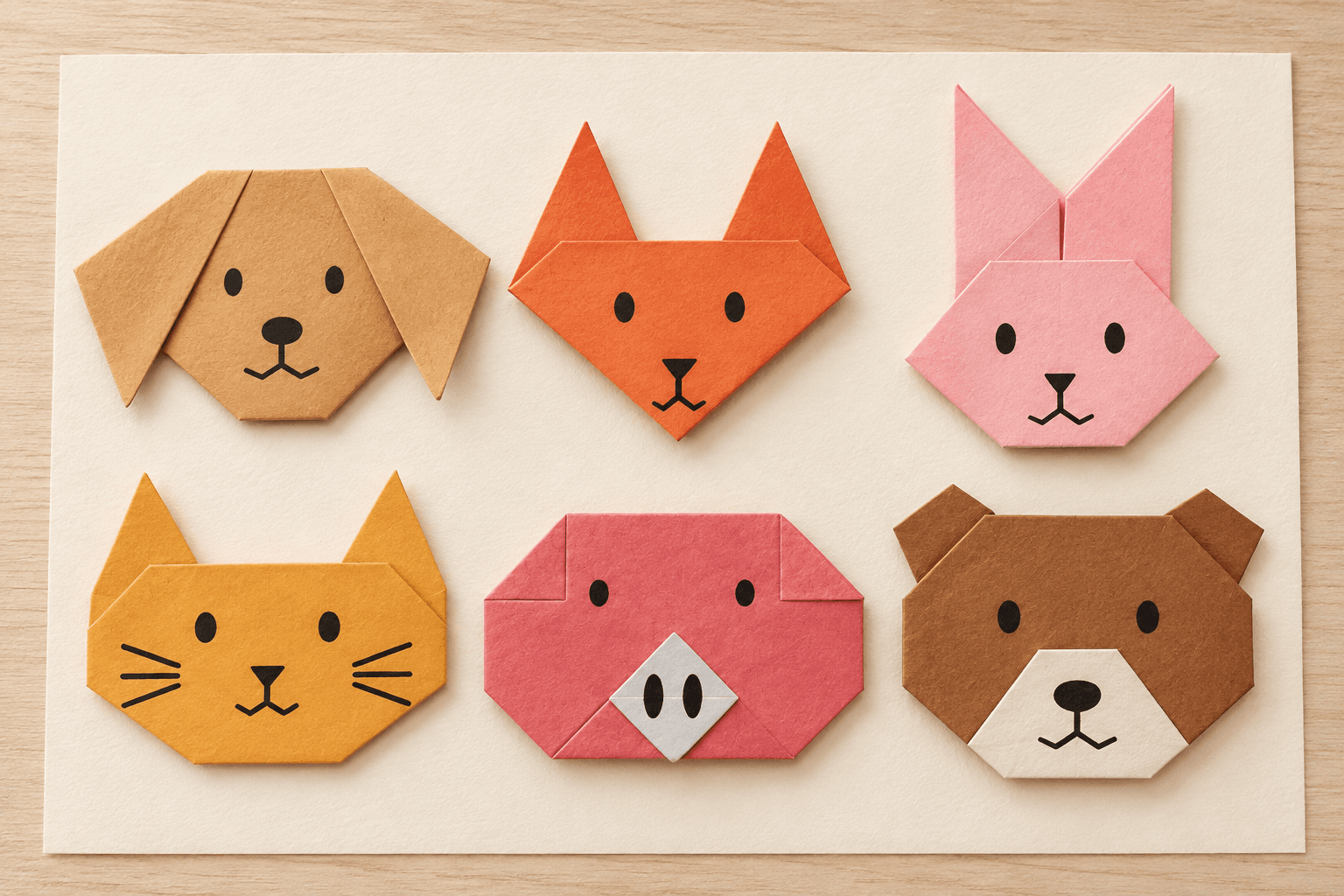
Prepare one square sheet per face, plus colored pencils or pens and a backing sheet for drawing. Around 15 cm square is a useful starting size. These folds need no scissors or glue. For fewer steps, start with the dog or fox; choose the bear when you want to spend more time on small folds. Let interest and comfort guide your choice.
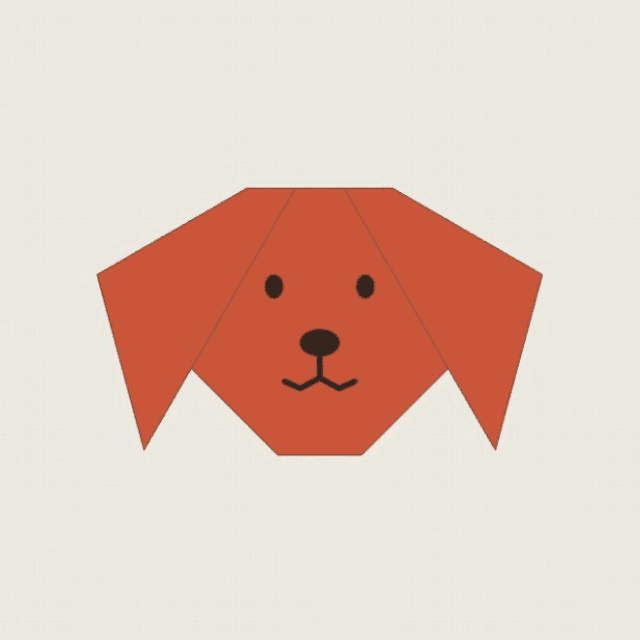
6 STEPS · 3D INSTRUCTIONS
Try the dog for fewer steps. Check the ear angles together and help hold the paper when folding the forehead and chin behind. Add eyes, a round nose and a mouth.
Start folding →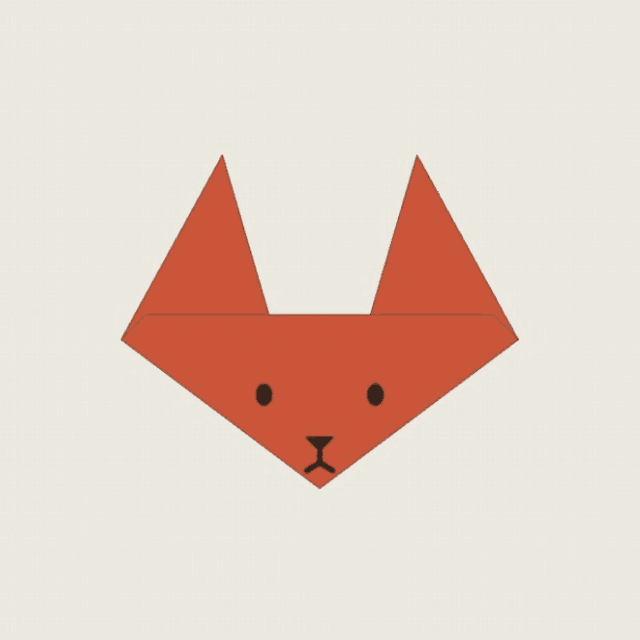
6 STEPS · 3D INSTRUCTIONS
Like the dog, the fox has six steps, but its ears point upward. Check the final turn together. Try narrow eyes for a sharp expression or round eyes for a gentle one.
Start folding →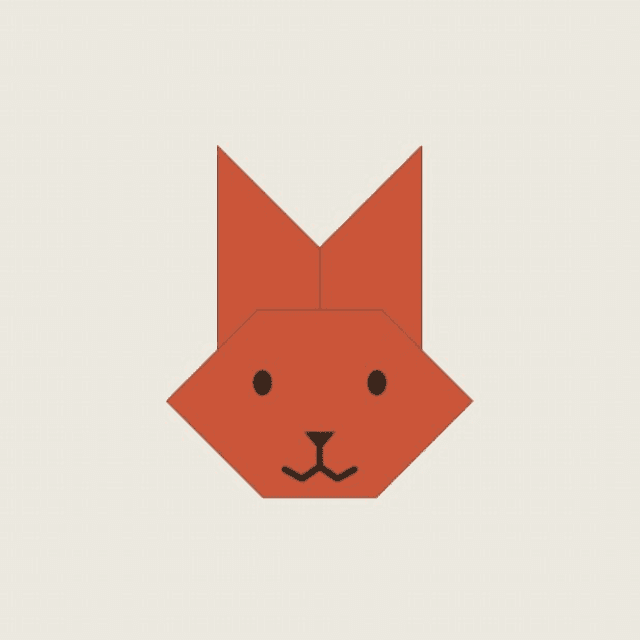
8 STEPS · 3D INSTRUCTIONS
A narrow bottom fold becomes long ears. Help align the narrow strip, then let your child choose where to draw the face. Add cheeks for another expression.
Start folding →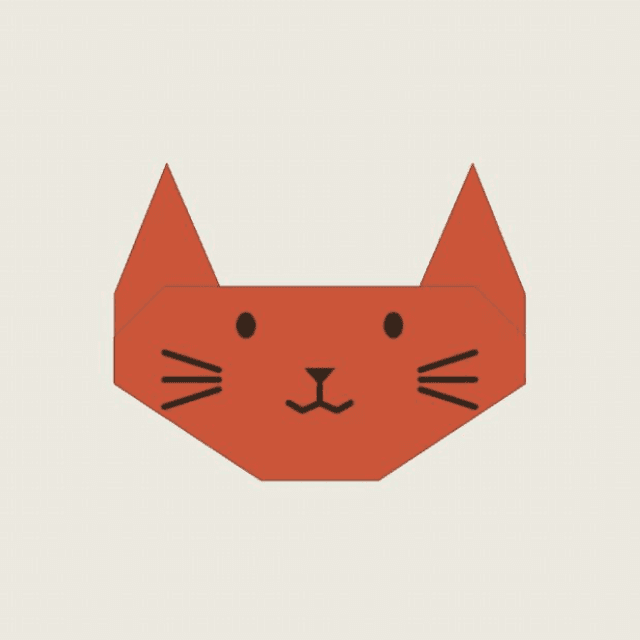
9 STEPS · 3D INSTRUCTIONS
Fold the ears, chin and cheeks to shape the face. Check each small corner separately. Draw a nose and mouth, then add whiskers on both sides.
Start folding →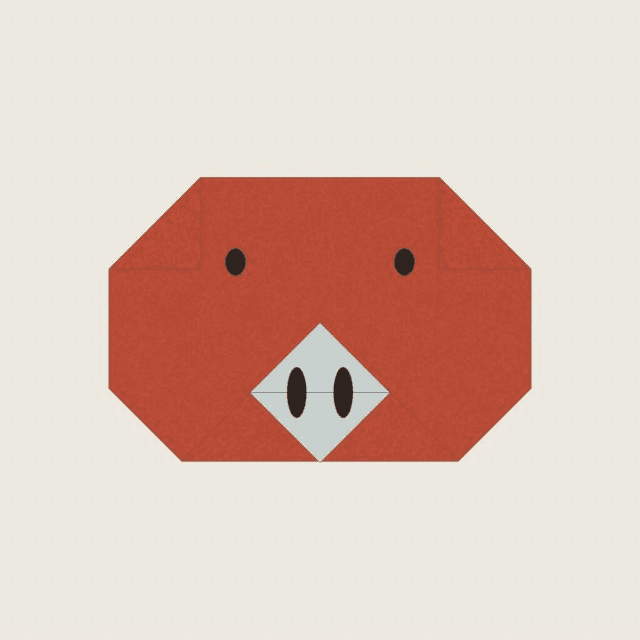
9 STEPS · 3D INSTRUCTIONS
Lift both lower layers, then lower only the front snout tip. Count the moving layers together. Two dots on the snout help give the pig its character.
Start folding →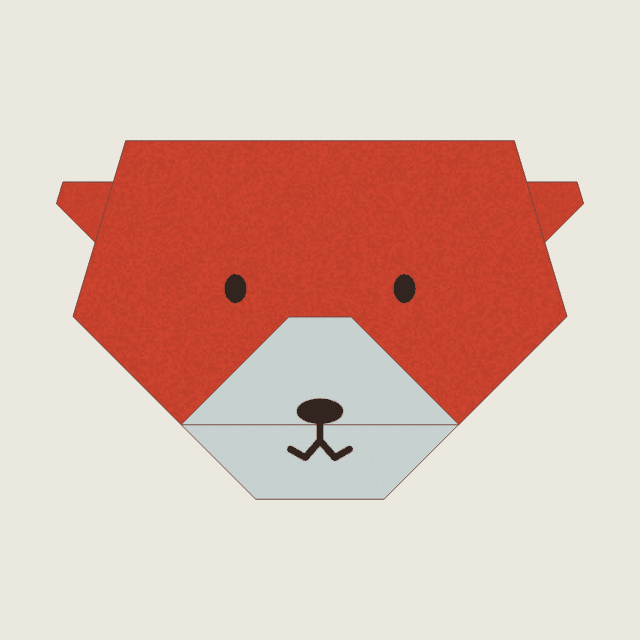
12 STEPS · 3D INSTRUCTIONS
The bear has twelve steps, including small ear and muzzle folds. Take a break if needed. Keep the white muzzle visible and choose where to draw its nose and mouth together.
Start folding →Use your own sheet to show the same step beside your child. Point to the next corner before folding so you can check which part moves.
If corners slip, hold them gently while your child presses the crease. Help with the part that is difficult instead of correcting every fold.
Rotate the 3D model to see the back or scroll upward to revisit a step. Take a break or switch from folding to drawing whenever you like.
Turn the finished face toward you and point out where the eyes, nose and mouth might go. Try expressions on scrap paper or sketch lightly with a colored pencil first.
Compare round eyes with curved eyes, or a straight mouth with a smile. Make two of the same animal and talk about their expressions. Your drawing can be different from the example.
Give a cat whiskers, a pig two nostril dots or a rabbit colored cheeks. Add your favorite patterns and colors to make the face your own.
Give each face a name and ask where it will go today. Take one animal each and try different voices and greetings.
Compare upright ears, drooping ears and white muzzles. Look for shapes the animals share and details that make them different.
Place the faces on a large sheet and draw paths or homes around them. Leave them unglued so you can rearrange the zoo for another story.
New to folding? Explore the beginner guide →
Explore all origami models →