Start with a gentle launch
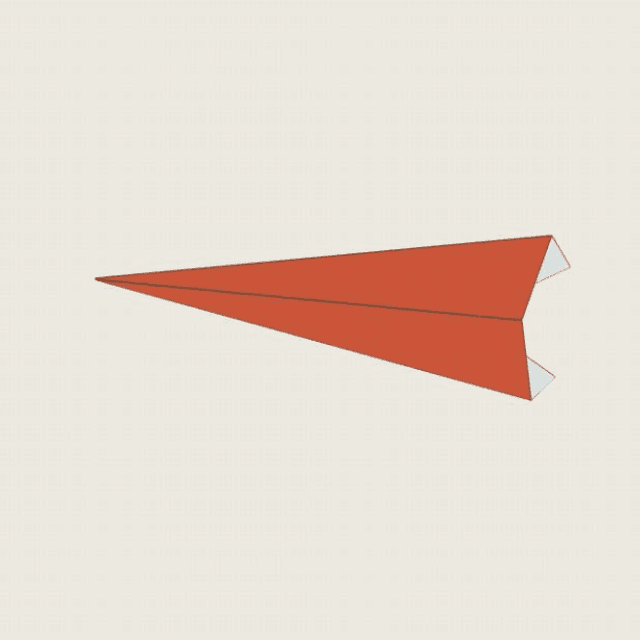
Open both wings and hold the body underneath. Launch gently into a clear space, away from people and faces. Take turns.
FOLD, TRY & PLAY TOGETHER.
Folding is just the beginning. Fly a plane, jump a frog, move a fortune teller or inflate a balloon. Choose what you want to try, then take turns making small adjustments together.
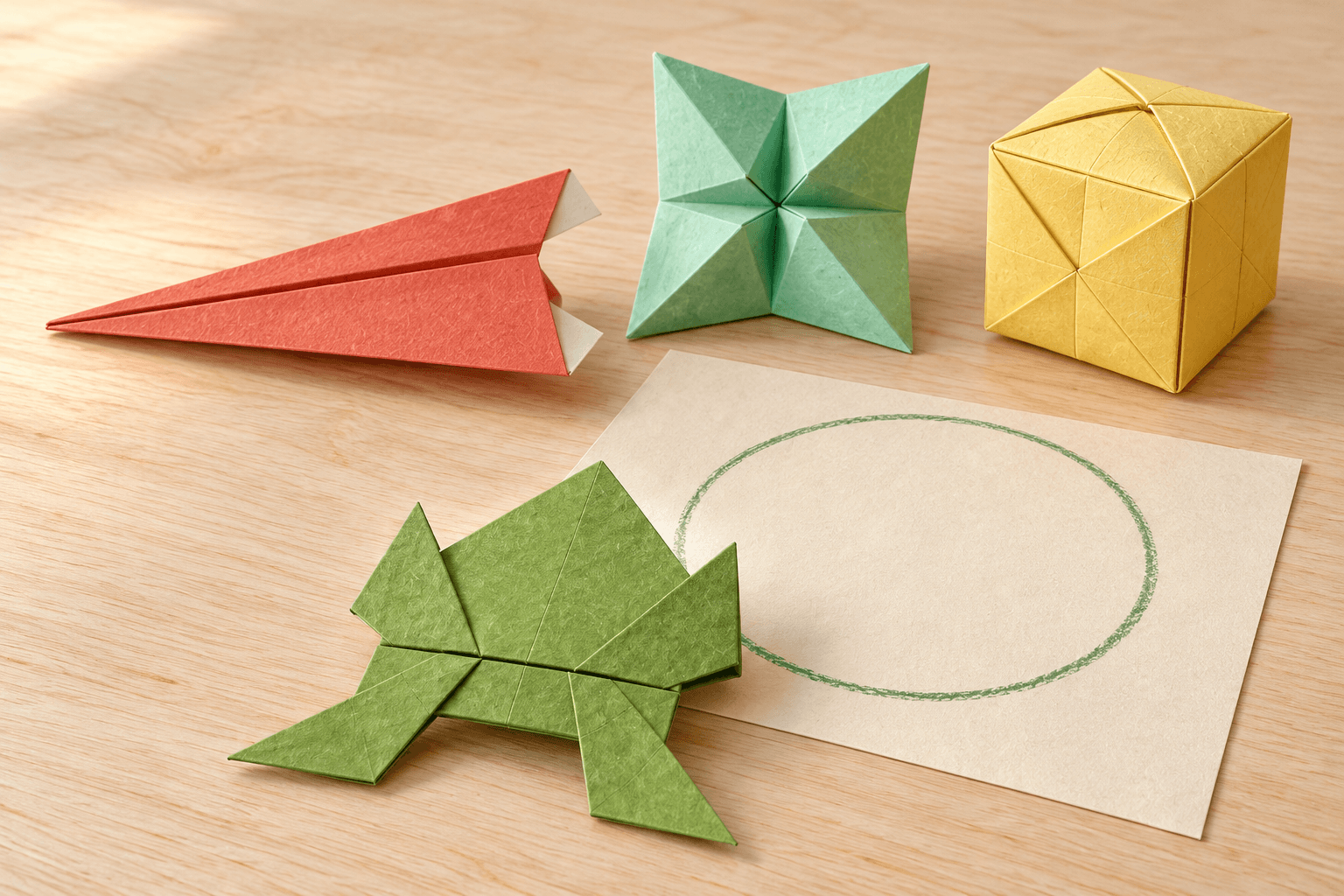
Each model uses one square sheet, without cutting or gluing. Prepare extra paper and pens for targets or prompts. Fold a sheet each, or share the holding and creasing. Start with one model; take breaks for the longer frog and balloon sequences. Choose a clear flying space and a flat tabletop for the frog.
10 STEPS · 3D INSTRUCTIONS
Choose the airplane for flying. Check both opened wings together, then try a gentle launch in a clear space.
Start folding →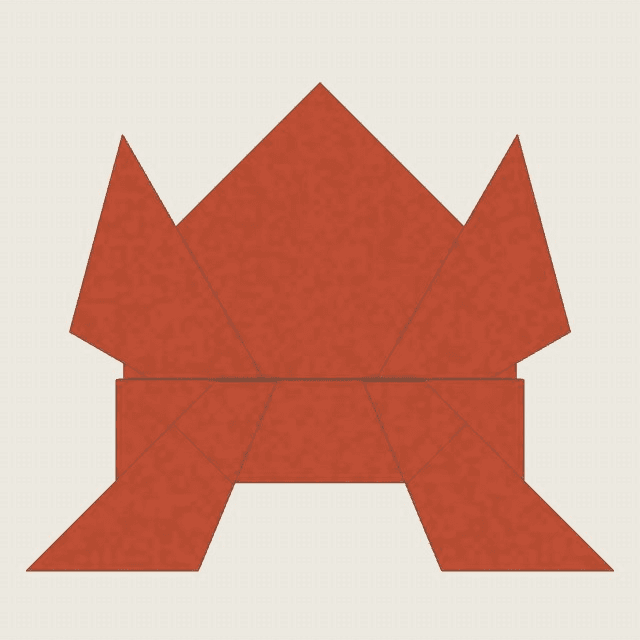
20 STEPS · 3D INSTRUCTIONS
Press and release to try a jump. The final two folds form the spring. Share the holding and folding, and check which end is the front.
Start folding →
14 STEPS · 3D INSTRUCTIONS
Move your fingers to open and close it. Help open the four pockets, then add colors or words for a game to play together.
Start folding →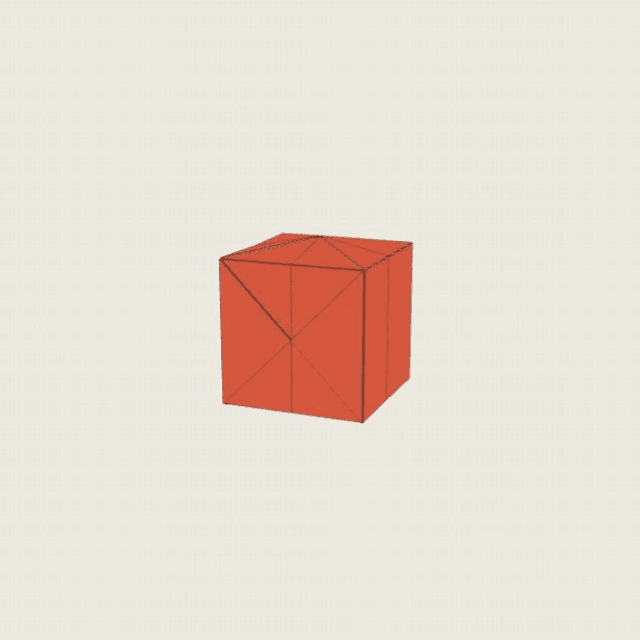
33 STEPS · 3D INSTRUCTIONS
Enjoy watching flat paper become a puffed shape. With 33 steps, take breaks between making creases, tucking tips and inflating.
Start folding →Open both wings and hold the body underneath. Launch gently into a clear space, away from people and faces. Take turns.
Place a large sheet on the floor as a target. Launch from the same spot and see how close you get. Change the launch strength one try at a time.
Check that both wings have matching fold positions and opening angles. Review steps 7–9, then try a gentle launch. Paper and throwing technique affect the flight.
Set the frog feet-down on a flat table. Gently press the spring at the back and release your finger. Try once at a time and find the pressing point together.
Draw a pond on a separate sheet and aim for it. Start nearby and move farther away when ready. Count together how many times it lands on the paper.
Check the two-part spring: fold up in step 19, then fold half back down in step 20. Check that the legs are free and try on a table. Paper thickness and creases affect the jump.
Place both thumbs and index fingers in the four underside pockets, one finger per pocket. Alternate opening in the two directions. If tight, reopen the pockets instead of forcing your fingers in.
Mark four colors outside and write prompts under the inner triangular flaps, such as “meow” or “name a favorite food.” Choose a color, open and close a chosen number of times, then pick a visible flap and read its prompt.
Review the folds and unfolds in steps 12–13 and the pockets in step 14. Remove your fingers and flatten the paper before drawing. Use pictures or colors instead of writing if preferred.
Tuck all four tips into their pockets and spread the four folds. Blow gradually through the small air hole and watch the shape expand. Use a separate balloon for each person.
Guess the shape before inflating. Fold another from a different-size square and compare them side by side. Enjoy the changing form rather than hitting it hard.
Review steps 23–31: tips should be inside the pockets, not on top. Open the folds in step 32 and check that your fingers do not cover the hole. Pause and reshape rather than blowing harder.
One person tries while the other watches, then swap roles. Keep the starting point the same and change just one thing, such as launch strength or where you press. Talk about what changed rather than only comparing who went farther. The 3D instructions show folding; flight and jumping need to be tried with real paper.
New to folding? Explore the beginner guide →
Explore all origami models →